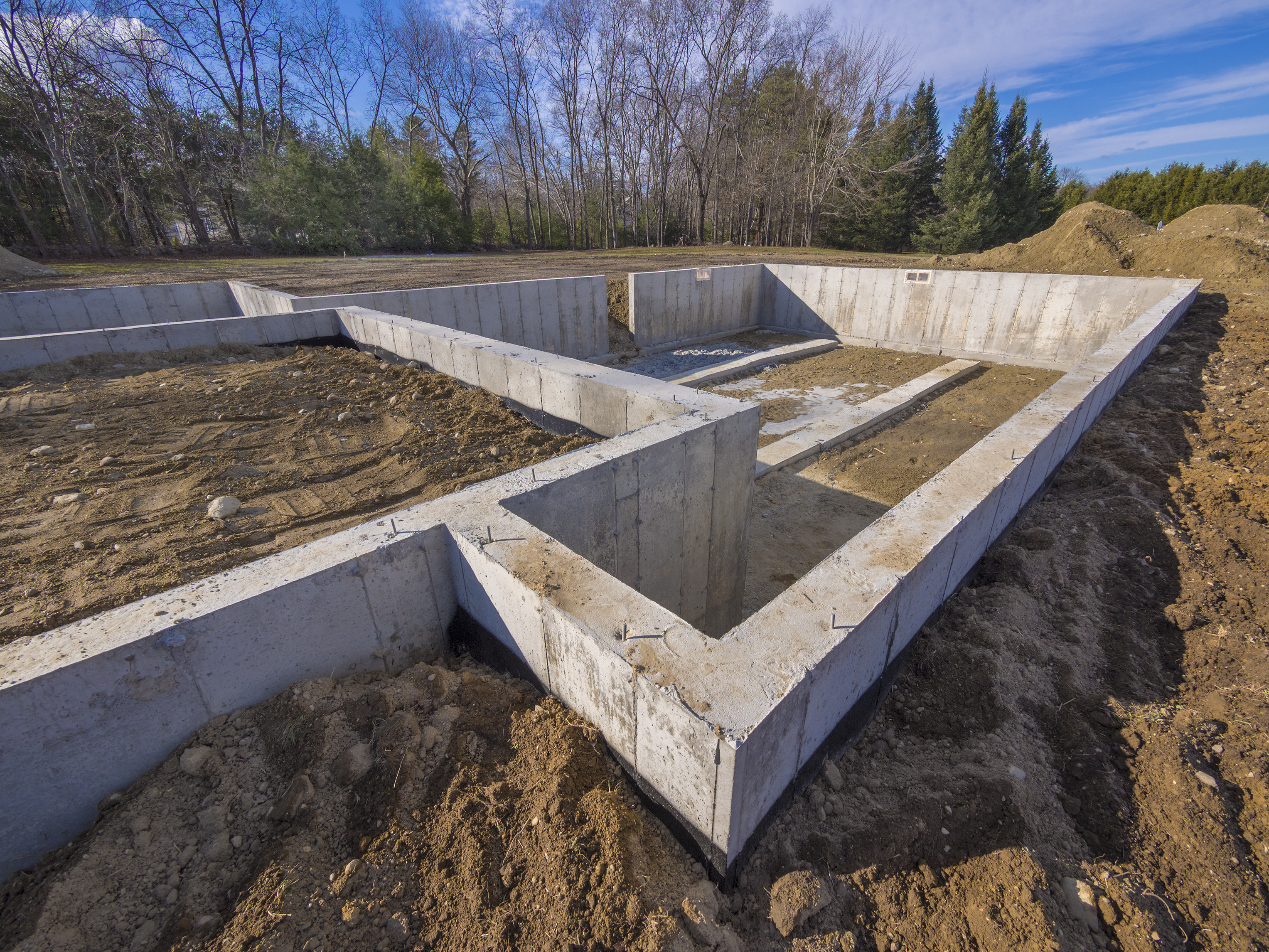
Digging Deeper: Navigating Environmental Regulations in Excavation Projects Mar 22, 2026
The world of excavation involves moving large volumes of earth and other materials, which can significantly impact the local environment. Therefore, it's essential to be informed about environmental regulations that govern excavation projects. This awareness not only keeps projects on track but also ensures the environment is protected.
The first step in navigating these regulations is understanding the specific requirements for your location. Different areas may have varied rules based on local ecosystems, wildlife considerations, and historical preservation mandates. Start by consulting with local regulatory bodies to get a comprehensive understanding of the rules that apply to your project site.
Permitting is another crucial element in the regulatory landscape. Before any ground is broken, the necessary permits must be obtained from local, state, and federal authorities. These permits often require detailed project plans illustrating how the excavation will proceed, what measures will be taken to minimize environmental disruption, and plans for restoring the site post-excavation. Failure to secure these permits can lead to hefty fines, project delays, or complete shutdowns.
Another vital aspect is the implementation of erosion and sediment control measures. Excavation can disturb the earth, increasing the risk of erosion, especially during inclement weather. It's imperative to employ techniques like silt fences, straw wattles, and sediment basins to mitigate erosion and prevent sediment from polluting local water sources. These measures are often outlined in best management practices (BMPs) required by regulatory agencies as part of the permitting process.
For projects located near water bodies, special precautions must be taken to prevent contamination. This might involve creating buffer zones to protect natural waterways, employing special equipment designed to minimize pollution, or executing parts of the project when environmental impact is minimal. At Full Throttle Excavation LLC, we emphasize the importance of these strategies to prevent any potential harm to aquatic environments.
A successful excavation project also involves thorough monitoring and documentation. Regulatory agencies often require regular reports and inspections to ensure compliance with environmental standards throughout the project lifecycle. Keeping detailed records of all activities and measures undertaken can provide valuable documentation in case of inspections and can also aid in improving future projects.
Finally, engaging with an experienced and environmentally conscious excavation company such as Full Throttle Excavation LLC can provide invaluable support throughout this process. Our expertise ensures that all necessary precautions are taken to safeguard the environment while also achieving project goals efficiently and legally.
In conclusion, navigating environmental regulations in excavation projects requires a proactive and informed approach. By understanding local requirements, securing necessary permits, employing effective erosion control measures, and maintaining thorough documentation, you can ensure compliance and project success. At Full Throttle Excavation LLC, we are committed to a sustainable approach to excavation that respects and protects the environment. Partner with us to ensure that your next excavation project is conducted responsibly and successfully.
/filters:no_upscale()/filters:format(webp)/media/cf196823-39ad-4351-a480-e912e786ea07.jpeg)