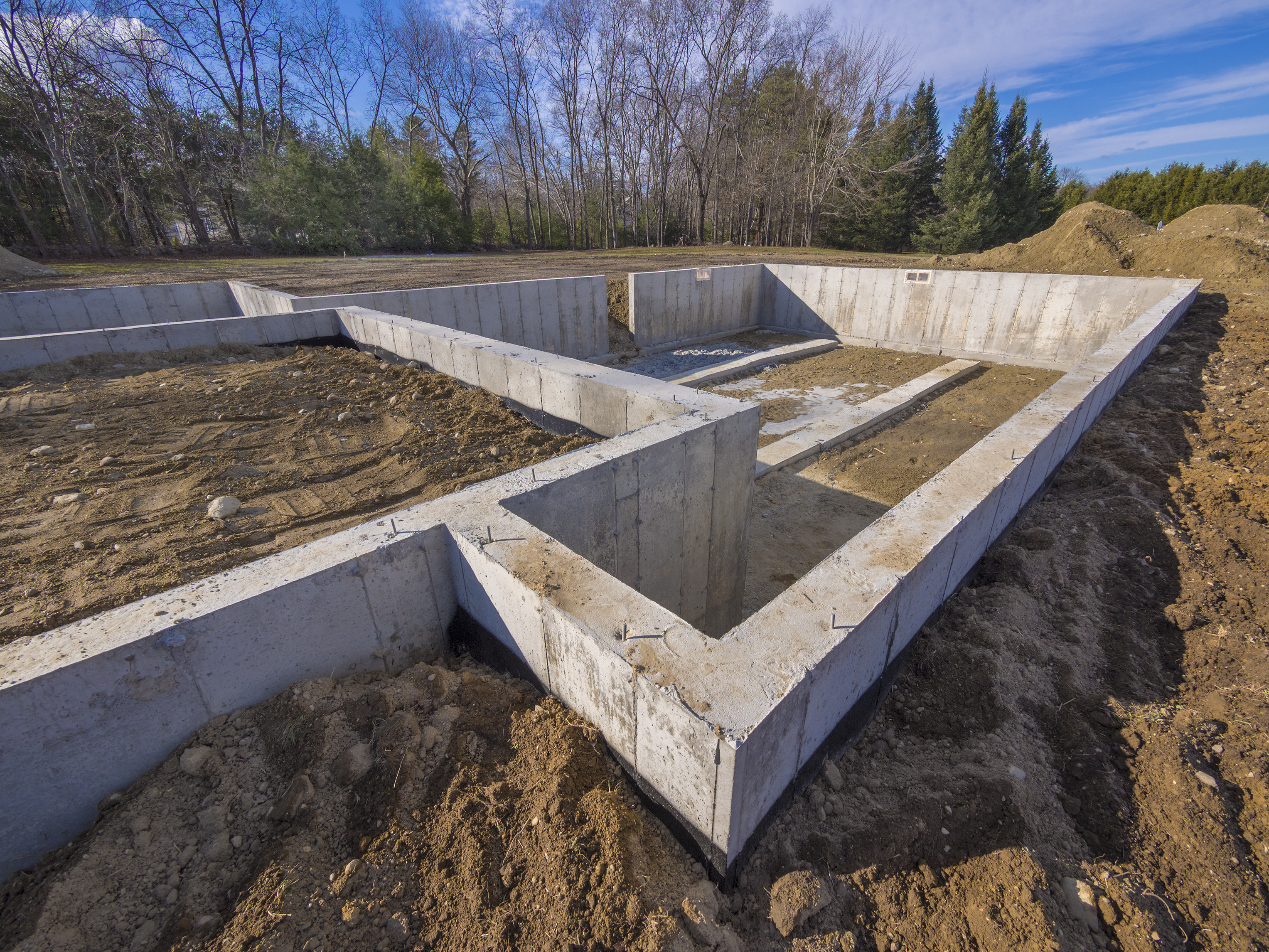
The Human Touch: Balancing Automation with Skilled Workforce in Excavation Mar 20, 2026
To understand the significance of this balance, we must first acknowledge the advent and benefits of automation in excavation. Automation offers increased precision and speed, crucial for meeting tight deadlines and ensuring project accuracy. The introduction of automated machinery, such as GPS-guided excavators and drones for site surveys, has transformed how excavation tasks are approached. These advanced technologies reduce human error and improve safety standards, marking a significant shift towards progressive work environments.
However, automation is only part of the equation. The intricacies of excavation projects often require a nuanced understanding of complex landscapes, soil compositions, and potential environmental impacts, areas where the human touch proves indispensable. Skilled workers bring invaluable experience and adaptability to the job site. Their ability to make quick decisions and solve unforeseen problems is unmatched, ensuring project success even when unexpected challenges arise. Additionally, the oversight provided by an experienced workforce ensures that automated systems operate optimally, marrying technological efficiency with human expertise.
Full Throttle Excavation LLC exemplifies how modern excavation companies can strike a balance between these two forces. By investing in cutting-edge technology while also prioritizing workforce training, they ensure that their team is capable of leveraging automation to its fullest potential. This dual investment leads to higher quality results, increased team morale, and a strong reputation in the marketplace as both innovators and trusted professionals.
Let's consider some practical strategies for balancing automation with a skilled workforce in excavation projects. First, continuous workforce education is paramount. Offering regular training sessions helps employees stay updated on the latest technological advancements and safety protocols. This not only improves their immediate performance but also prepares them for future technological integrations.
Second, fostering a collaborative work culture where technology is viewed as a partner rather than a replacement enhances team dynamics. Encouraging workers to engage with and understand robotic equipment makes them feel more comfortable and confident when incorporating new technologies into their workflows. An empowered workforce that sees technology as an ally is more likely to embrace change and drive innovation.
Finally, communicating the benefits of combining human skills with automation provides transparency and boosts trust within the team. By highlighting examples of successful integration in past projects, employees can better visualize how automation complements their roles rather than diminishes them.
In conclusion, the excavation industry stands at the intersection of tradition and transformation. Full Throttle Excavation LLC, by weaving together the reliability of skilled labor with the precision of automation, sets a powerful example of how construction companies can thrive in this dynamic landscape. The key to sustainable success lies in recognizing that while technology can enhance capabilities, the human touch remains irreplaceable in navigating the complexities of excavation work. Embracing this balanced approach not only sharpens competitive edges but also forges a future-ready workforce well-equipped to tackle upcoming challenges.
/filters:no_upscale()/filters:format(webp)/media/cf196823-39ad-4351-a480-e912e786ea07.jpeg)